Why Fitness Apps Are Essential for Trainers and Coaches
July 12, 2026
|
No Comments
|
Karen
Walking as a Training Tool
Walking is one of the most accessible forms of exercise. Trainers can recommend it to clients of all ages and fitness levels. A daily walk improves cardiovascular health, supports weight management, and reduces stress. When tracked consistently, these simple routines become fitness wins that build long‑term habits.
Content
Using Apps to Track Progress
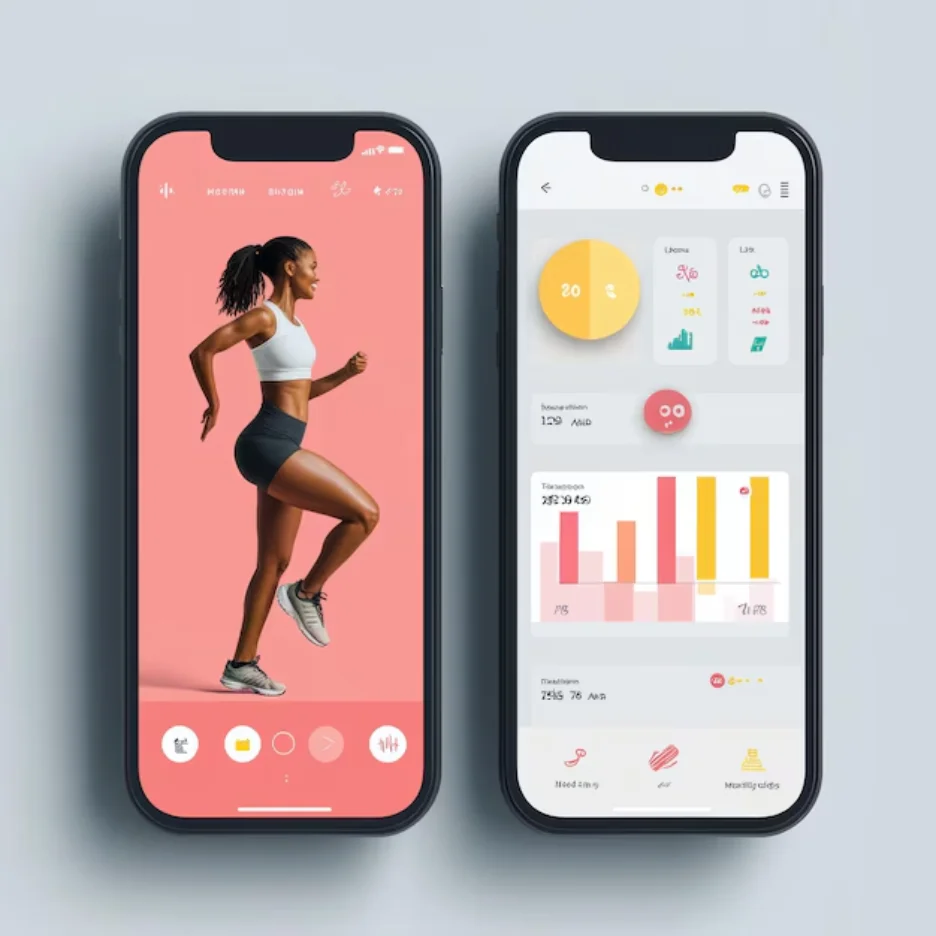
Fitness apps make walking programs more effective. They record steps, distance, and calories burned, giving clients visible proof of their progress. Trainers can use this data to adjust routines and set realistic goals. By encouraging clients to log their walks, coaches turn everyday activity into measurable success.
Accountability and Motivation
One of the biggest challenges in coaching is keeping clients consistent. Apps solve this by providing reminders, progress charts, and milestone celebrations. Trainers can monitor activity remotely, ensuring accountability even outside scheduled sessions. Clients feel motivated when they see their numbers improve, and trainers gain insight into their dedication. This accountability strengthens the trainer‑client relationship and increases the likelihood of long‑term success.
Recommendations for Trainers and Coaches
If you are a coach, encourage clients to use a fitness app daily. Recommend simple goals like 5,000–10,000 steps per day. Review their weekly data and celebrate milestones together. Use app features like leaderboards or group challenges to build community among your clients. These strategies make walking programs engaging and sustainable. Trainers should also remind clients that consistency matters more than intensity. Even short walks, when tracked and celebrated, become fitness wins.
Building Habits Through Technology
Tracking progress helps build discipline. When users see their daily numbers, they are more likely to stay consistent. Over time, walking becomes a habit rather than a chore. Fitness apps also allow users to celebrate milestones, which reinforces motivation. Trainers can use these features to design habit‑building programs that extend beyond walking. Clients who learn discipline through walking often apply it to nutrition, sleep, and other aspects of health.
Social Engagement and Community
Walking can feel solitary, but apps add a social dimension. Many platforms offer challenges, leaderboards, and sharing options. Competing with friends or joining community goals makes walking fun. Social engagement increases accountability and helps people stay committed to their routines. Trainers can create group challenges for their clients, fostering a sense of community and shared achievement. This approach not only motivates individuals but also strengthens the trainer’s brand.
A Note on Development Costs
Some trainers may want to develop a custom app tailored to their coaching style. Before starting, it is important to understand fitness tracking app development cost. Simple tracking apps are affordable, while advanced platforms with wearable integration, nutrition tracking, and cloud support require larger budgets. Planning carefully ensures you invest wisely and create a tool that truly supports your clients. Trainers should consult developers early to align features with their coaching goals and avoid unnecessary expenses.
Accessibility and Inclusivity
Walking is accessible to nearly everyone. It suits beginners, older adults, and those recovering from illness. Coaches can adapt walking programs to different fitness levels. By recommending apps, they can personalize goals and track improvements. This inclusivity makes walking one of the most versatile fitness strategies. Trainers who emphasize accessibility broaden their client base and demonstrate commitment to holistic health.
Practical Recommendations
Trainers can apply several strategies to maximize the impact of walking programs:
Encourage clients to set daily walking goals and gradually increase them.
Review app data weekly to adjust programs and celebrate progress.
Introduce variety by suggesting new walking routes or intervals.
Use app features to create group challenges and foster community.
Remind clients that small, consistent efforts lead to long‑term wins.
Looking Ahead
The future of walking programs will include more personalization. Apps will use artificial intelligence to provide tailored recommendations. Wearables will offer deeper insights into heart rate and recovery. Coaches and trainers who embrace these tools will be able to deliver more effective guidance. By combining traditional coaching with modern technology, trainers can stay relevant and provide clients with the best possible support.
Final Thoughts
Fitness apps are no longer optional for trainers and coaches. They provide accountability, personalization, and remote support. By encouraging clients to track everyday walks, trainers help them achieve consistent wins. And for those considering building their own app, evaluating fitness app development cost ensures smart investment. In the end, every step matters for clients striving toward health and for professionals guiding them toward success.
Karen is a health blog author who has been writing about healthy living since 2013. She started her journey by adopting a vegan diet and eating only organic foods, but the more she learned, the more she realized that we should all be eating plant-based diets exclusively. As an expert in nutrition and wellness, Karen blogs to educate readers on how they can live happier and healthier lives through food choices!