Sicilian Honey in the UK: The Raw, Unfiltered Alternative to Manuka
March 7, 2026
|
No Comments
|
Karen
For the past two decades, Manuka honey from New Zealand has dominated the premium honey market in the UK. It has become shorthand for “good honey” — the product health-conscious consumers reach for when they want something more than supermarket runny honey. Its antibacterial properties have been extensively researched, and its premium price has become, paradoxically, a signal of quality in itself.
But there is another honey that deserves equal attention — one that has been produced for thousands of years, in one of the most botanically rich environments in the Mediterranean, by beekeepers whose families have worked the same hillsides for generations. Sicilian raw honey is not a marketing phenomenon. It is simply an exceptional product that, until recently, most UK consumers had never had the chance to try.
This article makes the case for Sicilian honey UK food lovers should know about, explains the science behind its properties, and compares it honestly with the Manuka products that have dominated the premium honey category for years.
Content
What Makes Sicily an Exceptional Honey-Producing Region
Sicily is one of the most botanically diverse islands in the Mediterranean. Its combination of altitude variation, volcanic and limestone soils, warm climate, and relative freedom from intensive industrial agriculture creates a richly varied landscape of wildflowers, citrus orchards, carob trees, thyme, rosemary, eucalyptus, and countless other plants that provide exceptional foraging conditions for bees.
The interior provinces of Sicily — Caltanissetta, Agrigento, Enna — are particularly notable. These are not tourist Sicily. They are working agricultural landscapes, largely free from the pesticide pressure that affects honey production in more intensively farmed regions of Europe. Bee populations in these areas forage across diverse native flora throughout the season, producing honey of extraordinary botanical complexity.
Sicilian flora honey — honey produced from bees foraging across this full range of native plants — captures the character of this landscape in every jar. It is complex, rich, and deeply flavoured in a way that single-flower honeys simply cannot match.
How Sicilian Honey Compares to Manuka
The Manuka honey industry is built on a specific and well-documented property: high concentrations of methylglyoxal (MGO), a naturally occurring compound with demonstrated antibacterial activity. This is genuine science, and the antibacterial properties of Manuka honey are real.
However, the comparison with raw Sicilian honey is more nuanced than the price difference might suggest:
Antibacterial properties: Manuka honey’s antibacterial activity comes primarily from its MGO content. Raw Sicilian honey contains different but overlapping antimicrobial compounds — hydrogen peroxide, bee defensin-1, and various polyphenols — that together produce significant antimicrobial activity across a broad spectrum of bacteria. The mechanisms are different, but the outcomes are comparable for most everyday applications.
Polyphenol content: Raw honey from botanically rich environments such as Sicilian hillsides typically contains higher total polyphenol concentrations than Manuka honey from the relatively limited floral range of New Zealand’s Manuka scrubland. Polyphenols are among the most important bioactive compounds in honey, associated with antioxidant, anti-inflammatory, and metabolic health benefits.
Enzyme activity: Raw Sicilian honey retains its natural enzyme content — diastase, invertase, glucose oxidase — fully intact. Commercial Manuka honey is often heat-treated to extend shelf life and standardise consistency, which reduces enzyme activity. Genuinely raw Manuka from reputable producers retains its enzymes, but the premium pricing means that the lower grades commonly sold in UK supermarkets are often not genuine raw products.
Flavour: This is where Sicilian honey wins without qualification. Manuka honey has a distinctive, slightly medicinal, rather assertive flavour that many people find limiting outside of health-specific applications. Sicilian flora honey is complex, rounded, and richly flavoured — excellent on its own, with cheese, in cooking, in drinks, and in any application where you want the honey to be tasted rather than merely noticed.
Price: Premium Manuka honey (UMF 10+ or MGO 263+) typically costs £20–50 or more for 250g in the UK market. Genuine raw Sicilian honey of comparable bioactive quality is available at a fraction of that price, and represents substantially better value for money for everyday use.
The Raw Difference
The most important qualifier for any honey — Sicilian or otherwise — is that it is genuinely raw. This means:
Not heated above 40°C (ideally below 35°C) at any stage of processing. Strained only to remove wax and large debris — not ultrafiltered to produce a clear appearance. No added ingredients — no glucose syrup, no water, no other honey varieties. Naturally crystallised at room temperature — crystallisation is a sign of genuine raw honey, not a defect.
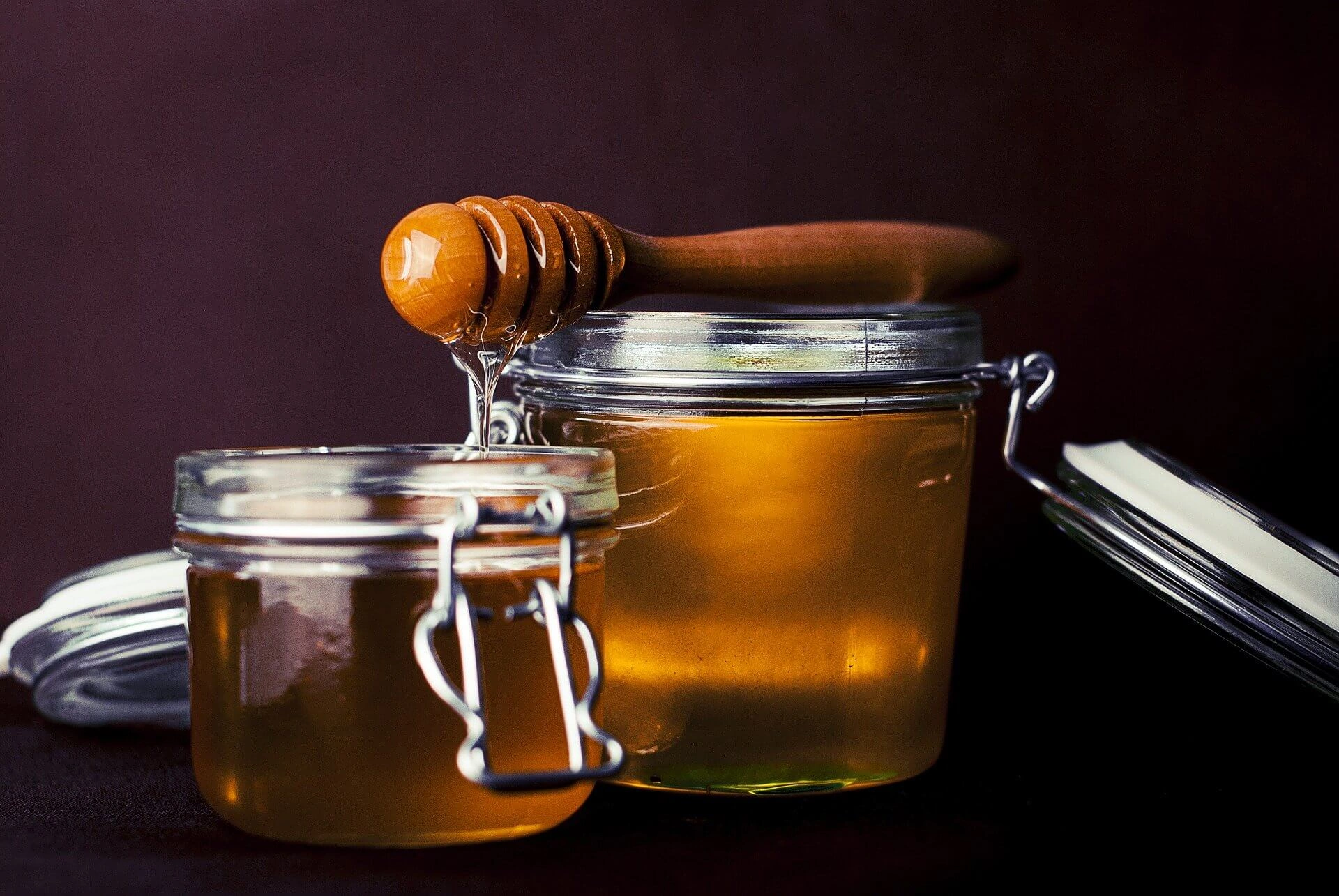
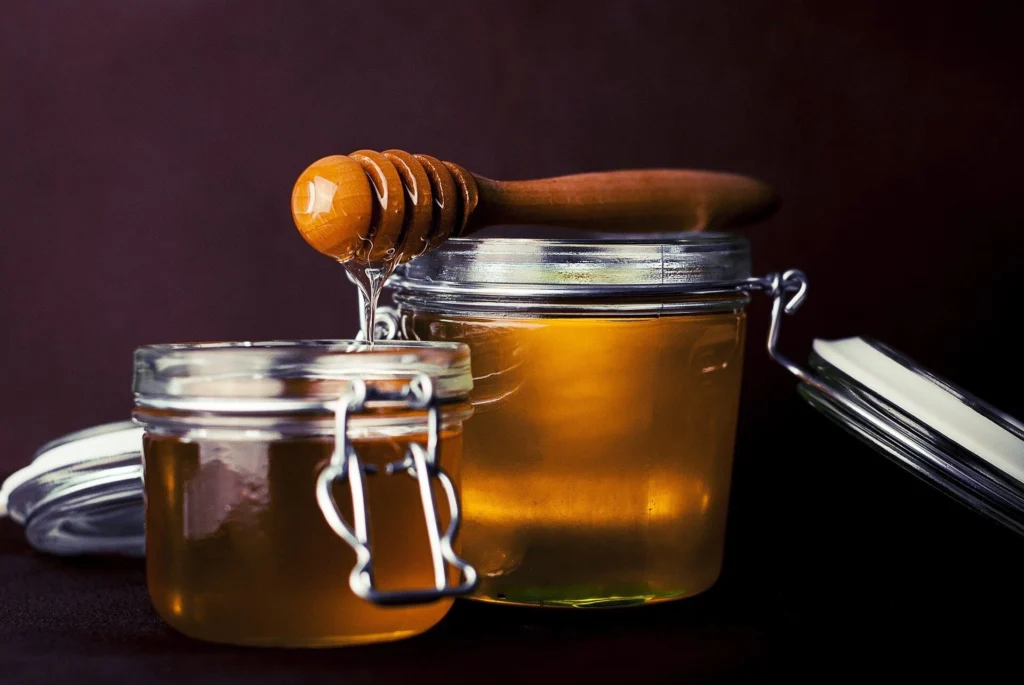
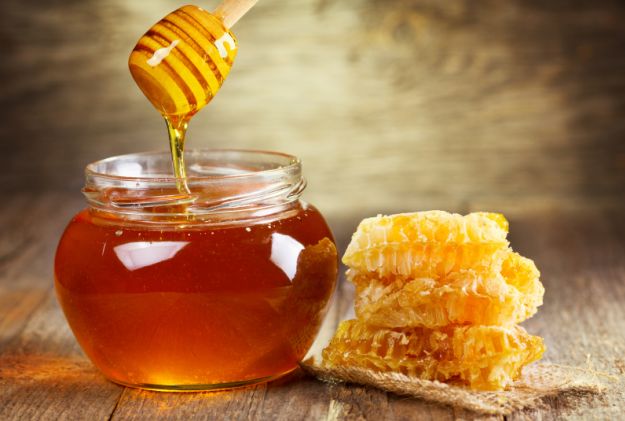
Raw Sicilian flora honey from a reputable producer will typically be amber to dark amber in colour, slightly opaque, and will crystallise naturally within weeks or months of bottling. If a honey labelled “Sicilian” or “raw” is crystal clear, uniform in colour, and shows no sign of crystallisation after months on the shelf, something has been done to it.
Where to Buy Sicilian Honey in the UK
LAVERDE Artisan imports raw flora honey directly from family producers in the Caltanissetta region of Sicily. The honey is produced using traditional methods, strained to remove wax, and bottled without heating or added ingredients. Every jar retains its natural pollen, enzymes, propolis, and bioactive compounds. It is available for delivery across the UK.
For anyone looking for genuine Sicilian honey UK suppliers can offer — a product with real provenance, real bioactive properties, and flavour that no processed honey can approach — it is the most direct route to something genuinely special.
The Bottom Line
Manuka honey has earned its reputation for specific antibacterial applications, and it remains a legitimate premium product. But for everyday use — for health, for flavour, and for value — raw Sicilian flora honey deserves to be better known in the UK market. It is older, richer, more complex, and more versatile than its New Zealand counterpart, and it comes from one of the most extraordinary honey-producing environments in the world.
Karen is a health blog author who has been writing about healthy living since 2013. She started her journey by adopting a vegan diet and eating only organic foods, but the more she learned, the more she realized that we should all be eating plant-based diets exclusively. As an expert in nutrition and wellness, Karen blogs to educate readers on how they can live happier and healthier lives through food choices!