Rhinoplasty: When Aesthetic Surgery Meets Medical Precision
February 11, 2026
|
No Comments
|
Karen
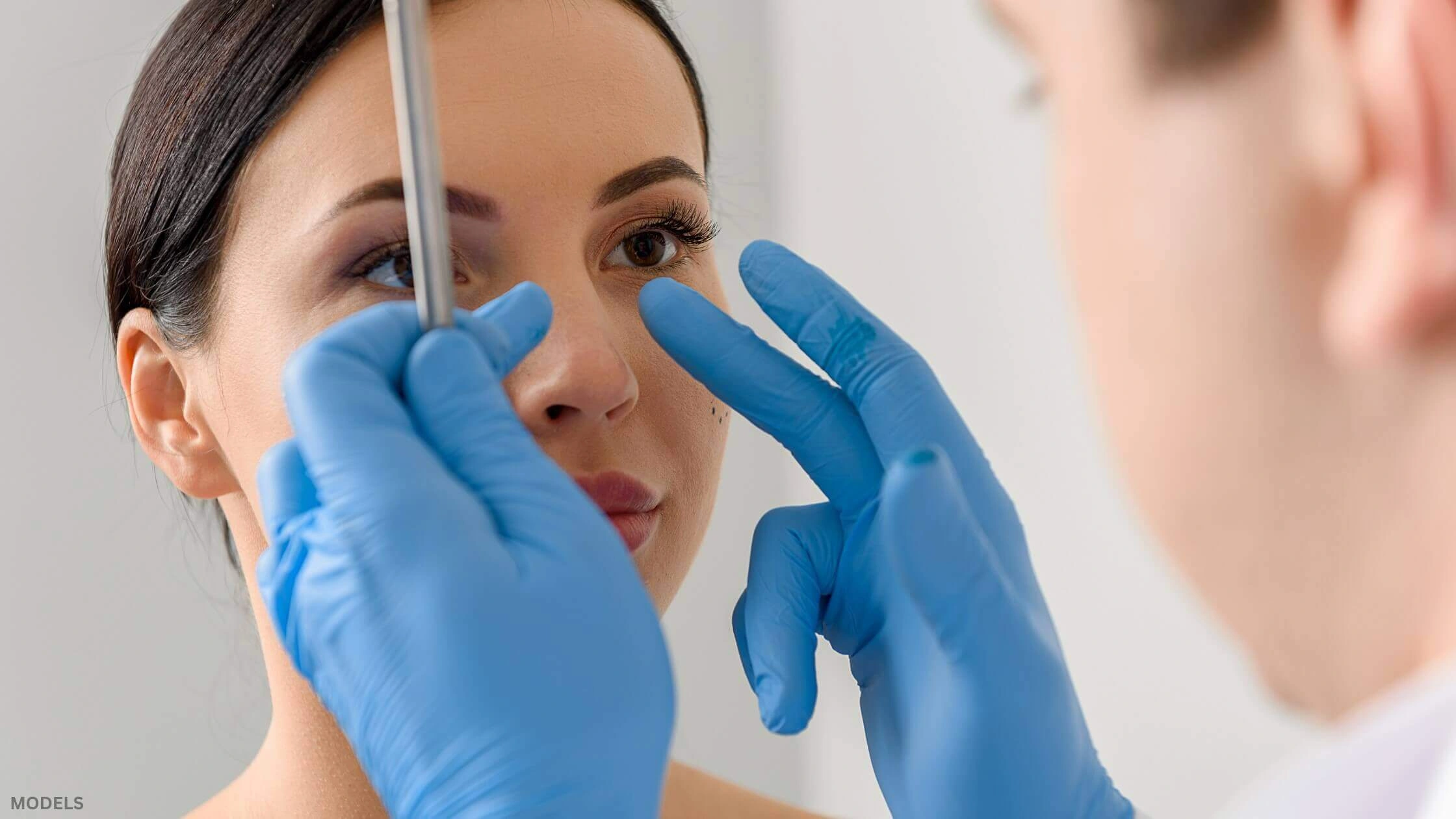
Rhinoplasty is one of the most requested facial surgeries worldwide, yet it remains one of the most misunderstood. Often perceived as a purely cosmetic procedure, rhinoplasty is in fact a highly complex surgical intervention that combines aesthetic balance, facial harmony, and functional health. When performed correctly, the goal is not to change a face, but to refine it while preserving identity as say rinoplastia barcelona
From a medical standpoint, rhinoplasty can be classified into three main types: aesthetic rhinoplasty, functional rhinoplasty, and combined procedures. Many patients seek surgery not only to improve the appearance of their nose, but also to address breathing difficulties caused by a deviated septum, valve collapse, or internal structural issues. In these cases, improving function and appearance go hand in hand.
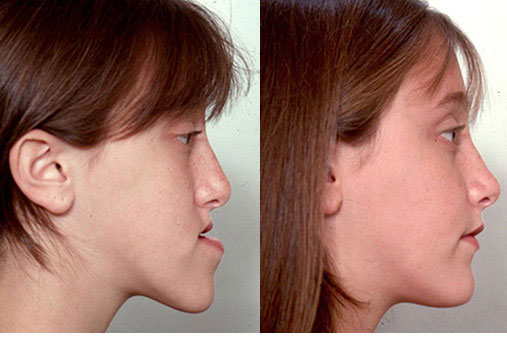
One of the most important principles of modern rhinoplasty is individualization. There is no universal “perfect nose.” Each face has its own proportions, bone structure, skin thickness, and ethnic characteristics. A successful rhinoplasty respects these elements, creating a result that looks natural and unoperated. Today’s trends strongly favor conservative techniques that preserve nasal structures rather than aggressively removing them.
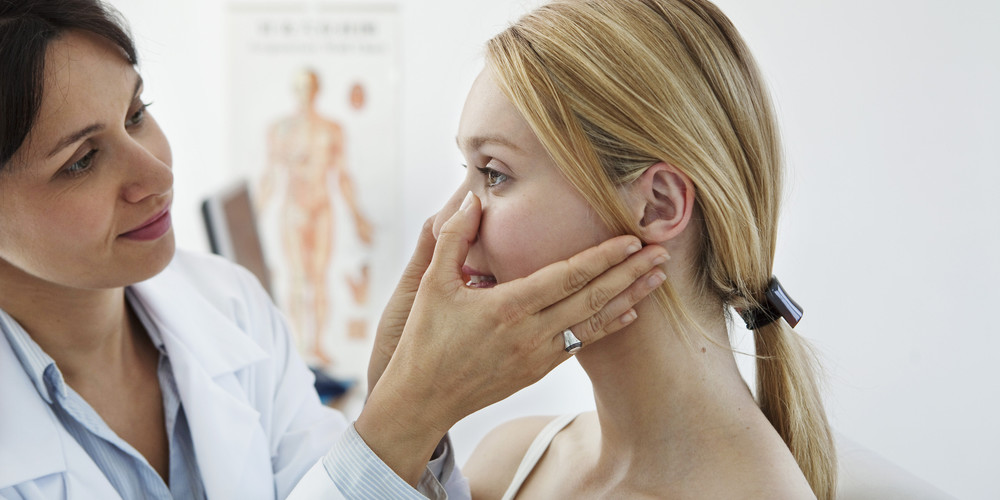
Preoperative assessment plays a critical role in achieving good outcomes. A thorough evaluation includes facial analysis, nasal anatomy, skin quality, respiratory function, and, most importantly, the patient’s expectations. Clear communication between surgeon and patient is essential. Unrealistic expectations are one of the main causes of dissatisfaction, even when the surgery is technically successful.
Recovery after rhinoplasty is another topic often surrounded by misconceptions. While swelling and bruising are common in the first weeks, most patients can return to social activities relatively quickly. However, the final result takes time. Nasal tissues continue to adapt and refine over several months, and in some cases up to a year, especially in patients with thicker skin.
Not everyone is an ideal candidate for rhinoplasty. Age, overall health, emotional stability, and motivation all matter. Ethical practice means knowing when to proceed—and when not to. A responsible surgeon prioritizes patient safety and long-term satisfaction over trends or external pressure.
In an era dominated by social media and filtered images, it is more important than ever to approach rhinoplasty with professionalism, transparency, and medical rigor. This surgery should never be seen as a quick fix or a fashion statement, but as a carefully considered medical decision.
When performed by an experienced specialist, rhinoplasty can enhance facial harmony, improve breathing, and boost confidence—without erasing what makes a face unique.
Karen is a health blog author who has been writing about healthy living since 2013. She started her journey by adopting a vegan diet and eating only organic foods, but the more she learned, the more she realized that we should all be eating plant-based diets exclusively. As an expert in nutrition and wellness, Karen blogs to educate readers on how they can live happier and healthier lives through food choices!