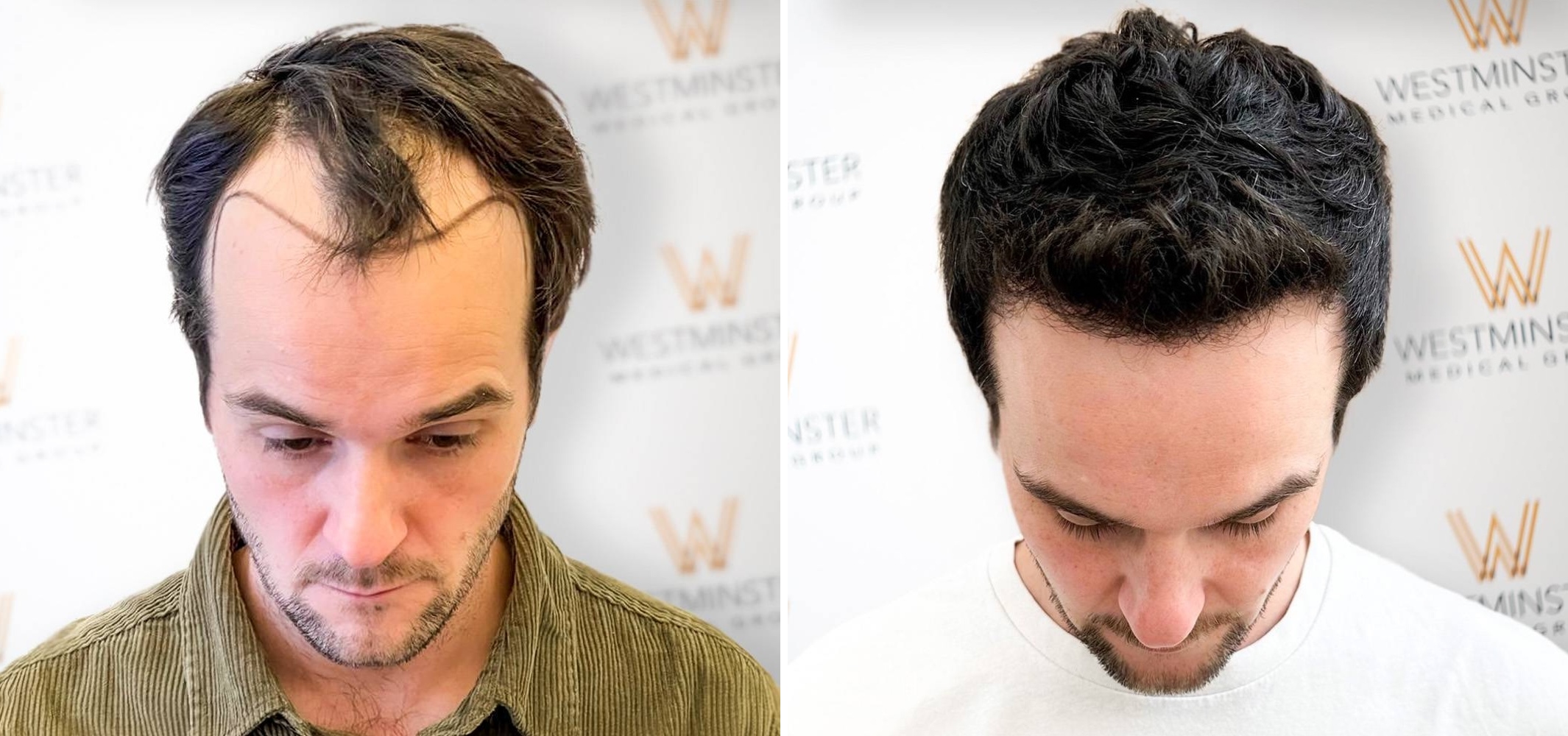
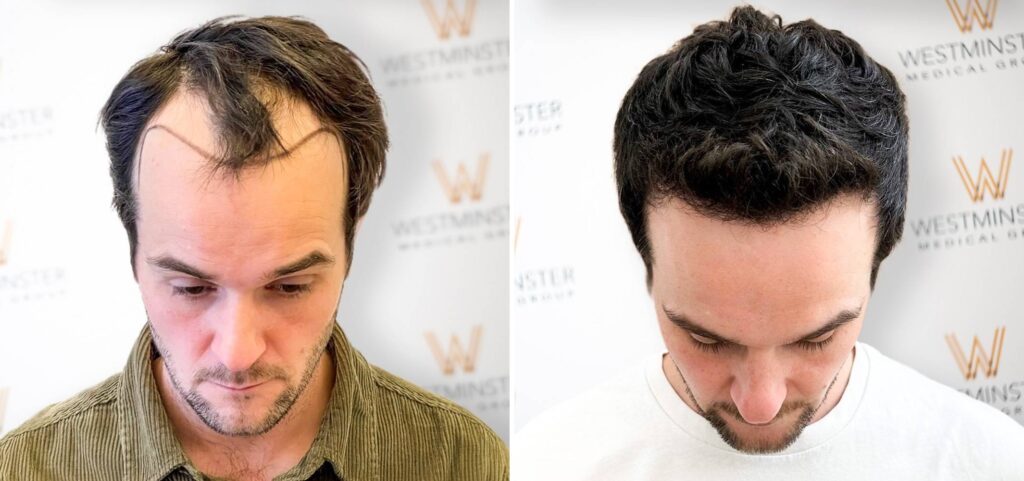
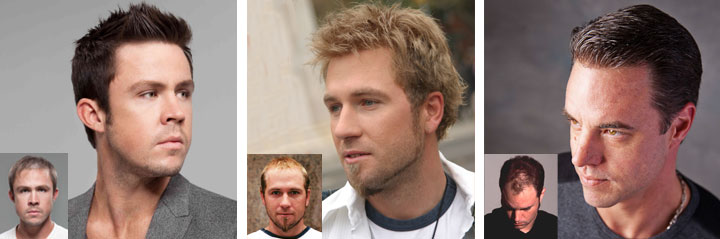
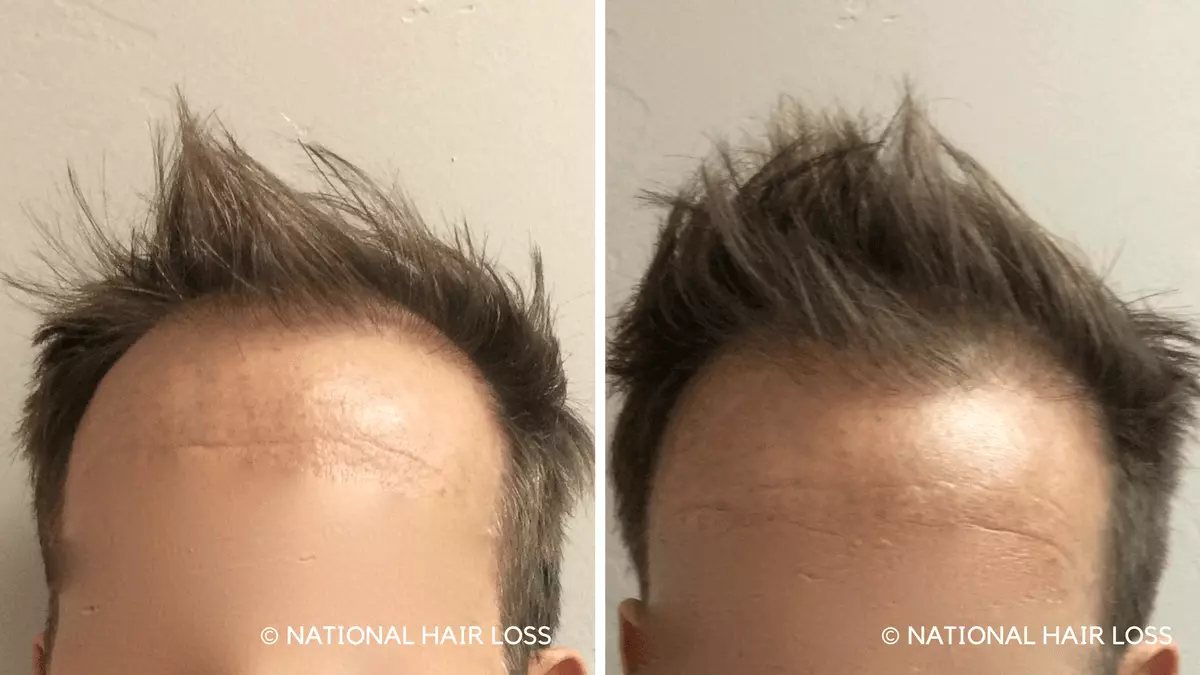
Hair loss is a deeply personal journey, and deciding on the right treatment can feel overwhelming. For those exploring surgical solutions, two techniques dominate the field: FUE (Follicular Unit Extraction) and FUT (Follicular Unit Transplantation). Both have proven effective, but understanding the nuances of each procedure is essential to determine which is better for your specific type of hair loss.
At clinics like Hair Transplant London, experienced surgeons guide patients through this decision, ensuring the best possible results tailored to individual needs.
Content
Understanding FUE and FUT
FUE (Follicular Unit Extraction) involves harvesting individual hair follicles directly from the donor area, usually the back or sides of the scalp. These follicles are then transplanted to thinning or bald areas. The procedure is minimally invasive, leaving tiny, nearly invisible scars, making it ideal for patients who prefer short hairstyles or want faster recovery.
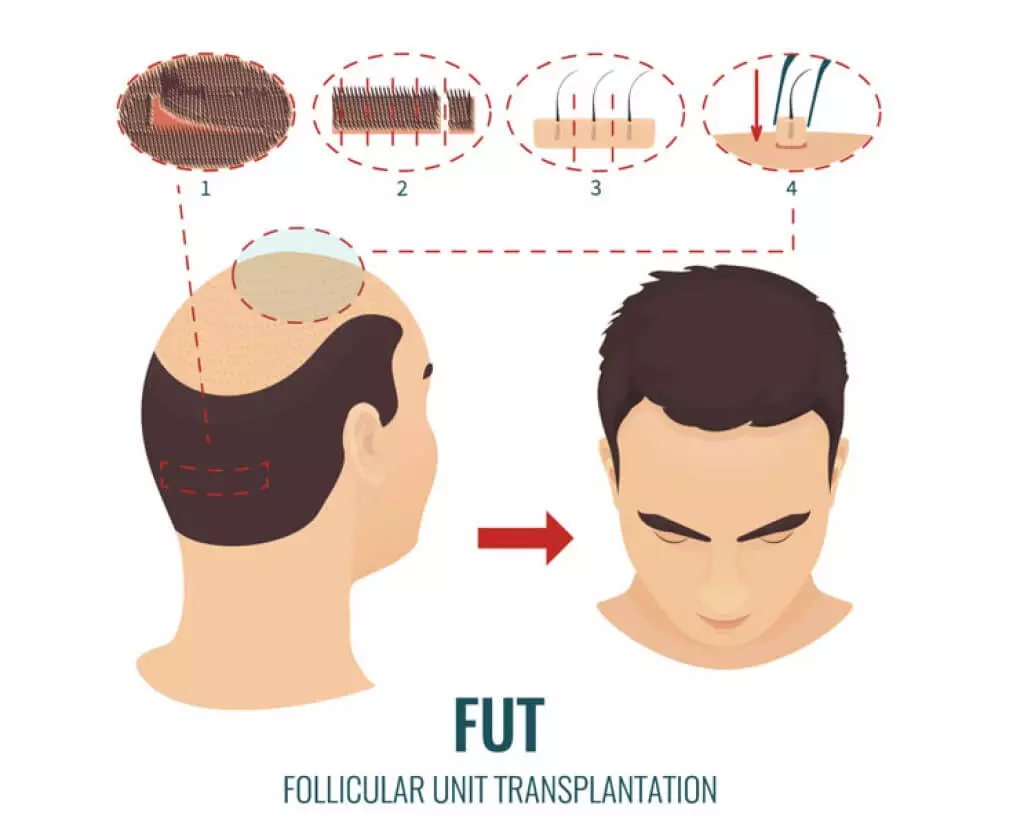
FUT (Follicular Unit Transplantation), often called the “strip” method, involves removing a thin strip of scalp from the donor area. The strip is then dissected into individual grafts for transplantation. While this method leaves a linear scar, it allows surgeons to harvest a larger number of grafts in a single session, making it suitable for extensive hair loss.
Both techniques are widely used in hair restoration London, but the choice depends on factors such as hair loss pattern, hair type, scalp elasticity, and long-term goals.
Factors to Consider When Choosing Between FUE and FUT
1. Extent of Hair Loss
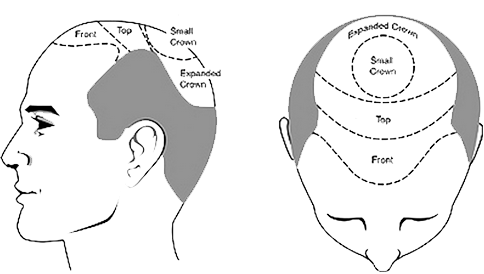
If you have localized thinning or a receding hairline, FUE may be the better option. Its precision allows surgeons to strategically place grafts for a natural look. Conversely, for widespread baldness, FUT can provide a higher number of grafts in one session, reducing the need for multiple procedures.
2. Hair Type and Texture
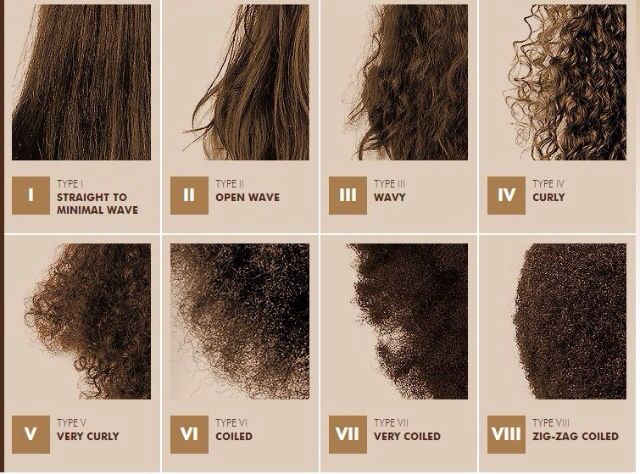
Different hair types respond differently to transplant methods. For patients with Afro-textured or curly hair, specialized FUE techniques can help maintain curl patterns and reduce follicle damage. FUT can also work, but it requires meticulous handling to preserve follicle integrity.
3. Scarring Concerns
FUE leaves tiny dot-like scars, which are generally inconspicuous. FUT, however, results in a linear scar at the donor site. If you plan to wear your hair very short, FUE is often preferred.
4. Recovery Time
FUE typically offers faster recovery, with less post-operative discomfort and lower risk of infection. FUT may involve longer healing, especially due to the incision required for strip harvesting.
5. Budget and Session Requirements
FUT can sometimes be more cost-effective for extensive hair loss because it allows for more grafts in a single session. FUE, being more labor-intensive, might involve slightly higher costs, especially if multiple sessions are needed.
Combining Techniques for Optimal Results
Some patients benefit from a hybrid approach, combining FUT and FUE to maximize graft numbers while minimizing visible scarring. This approach is especially useful for individuals with advanced baldness or those seeking corrective procedures after a previous hair transplant.
Non-Surgical Considerations
While FUE and FUT are surgical solutions, non-surgical options like PRP therapy, Scalp Micropigmentation (SMP), and prescription hair loss medications can complement results. These treatments help stimulate hair growth, improve density, and enhance overall scalp health. Discussing a combination plan with your surgeon can improve long-term outcomes.
Making the Right Choice
Choosing between FUE and FUT isn’t a one-size-fits-all decision. A thorough consultation with a GMC-registered surgeon, like those at Hair Transplant London, ensures your unique hair loss pattern, hair type, and lifestyle are considered. Surgeons can assess donor hair availability, recommend the most suitable technique, and discuss realistic expectations.
Remember, the ultimate goal is not just restoring hair but achieving a natural, long-lasting appearance. Whether you opt for FUE, FUT, or a combination, professional guidance is key to transforming your hair restoration journey.
Conclusion
Both FUE and FUT have distinct advantages and considerations. FUE is minimally invasive, ideal for those concerned about scarring and shorter recovery times, while FUT can provide larger graft numbers in a single session, making it suitable for extensive hair loss. The best approach depends on your individual needs, hair characteristics, and aesthetic goals.
For expert guidance and personalized recommendations, consult with experienced surgeons at Hair Transplant London, who can help you choose the technique that aligns perfectly with your hair restoration journey.
Karen is a health blog author who has been writing about healthy living since 2013. She started her journey by adopting a vegan diet and eating only organic foods, but the more she learned, the more she realized that we should all be eating plant-based diets exclusively. As an expert in nutrition and wellness, Karen blogs to educate readers on how they can live happier and healthier lives through food choices!